
Bone Health
Osteopenia/Osteoporosis is a silent disease affecting the strength and thickness of the bones. It occurs in 50% of females and 20% of males by the age of 50 years, with incidence increasing with age. It has multiple risk factors including but not limited to; hormonal changes, lack of calcium and Vitamin D intake, lack of weight bearing exercise, smoking and family history. Diagnosis is done via a DXA Scan.
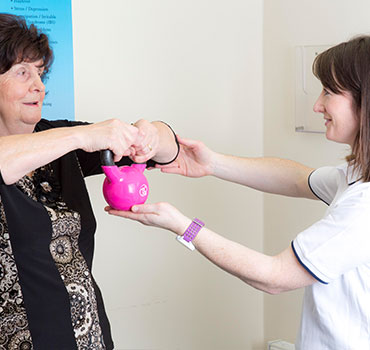
Physiotherapy and correct medical management can help to maintain and improve bone density and prevent further deterioration.
Frequently Asked Questions
Bone health physiotherapy manages osteopenia and osteoporosis through evidence-based exercise programmes to improve bone density, reduce fracture risk and maintain independence.
Yes. Exercise is essential for managing osteoporosis when appropriate and supervised. Our physiotherapists design safe, personalised programmes that avoid high-risk movements.
Absolutely. We provide balance training, strength exercises, home safety advice and movement education to reduce fall risk, which is crucial for people with osteoporosis.